Still Remains
2026
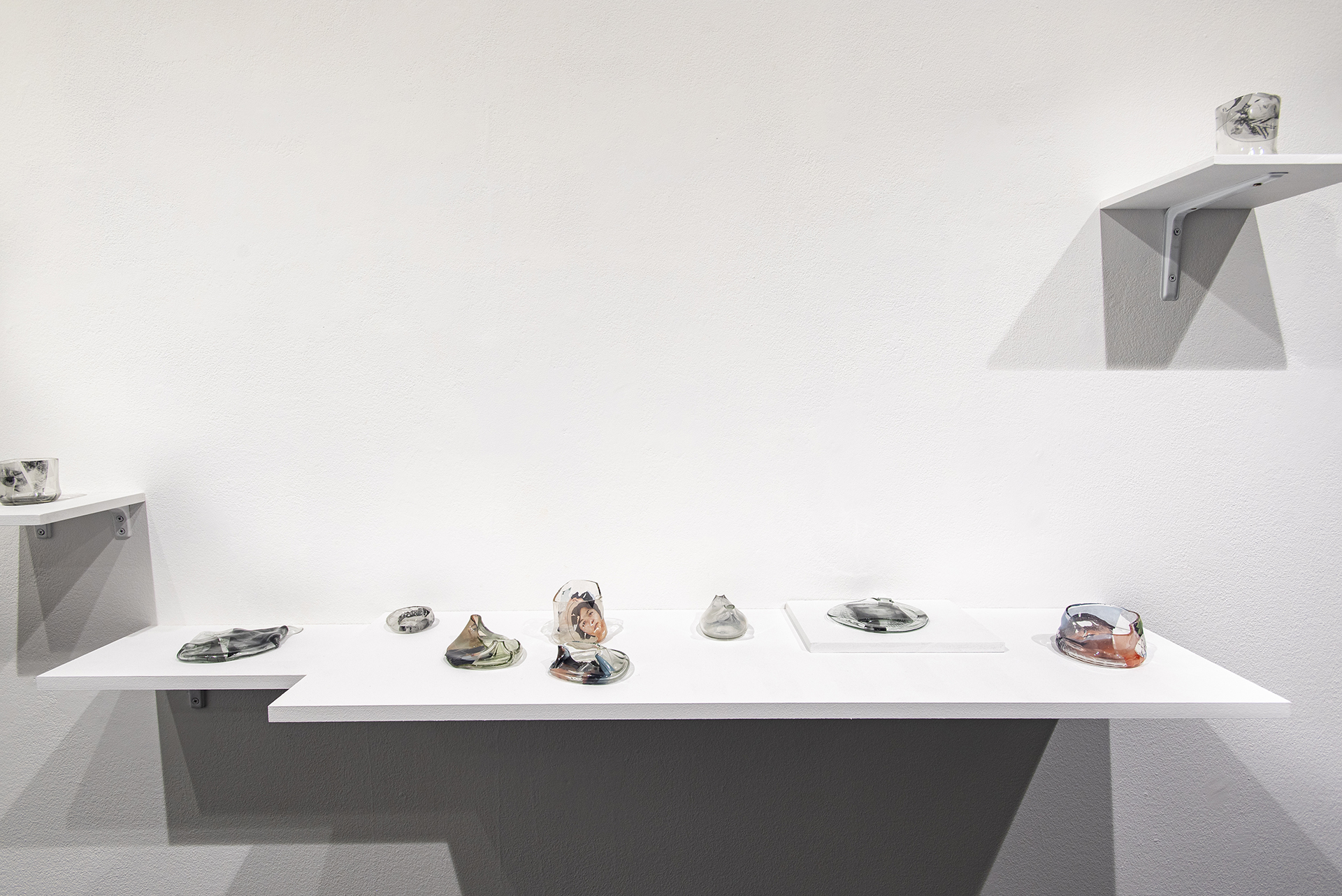
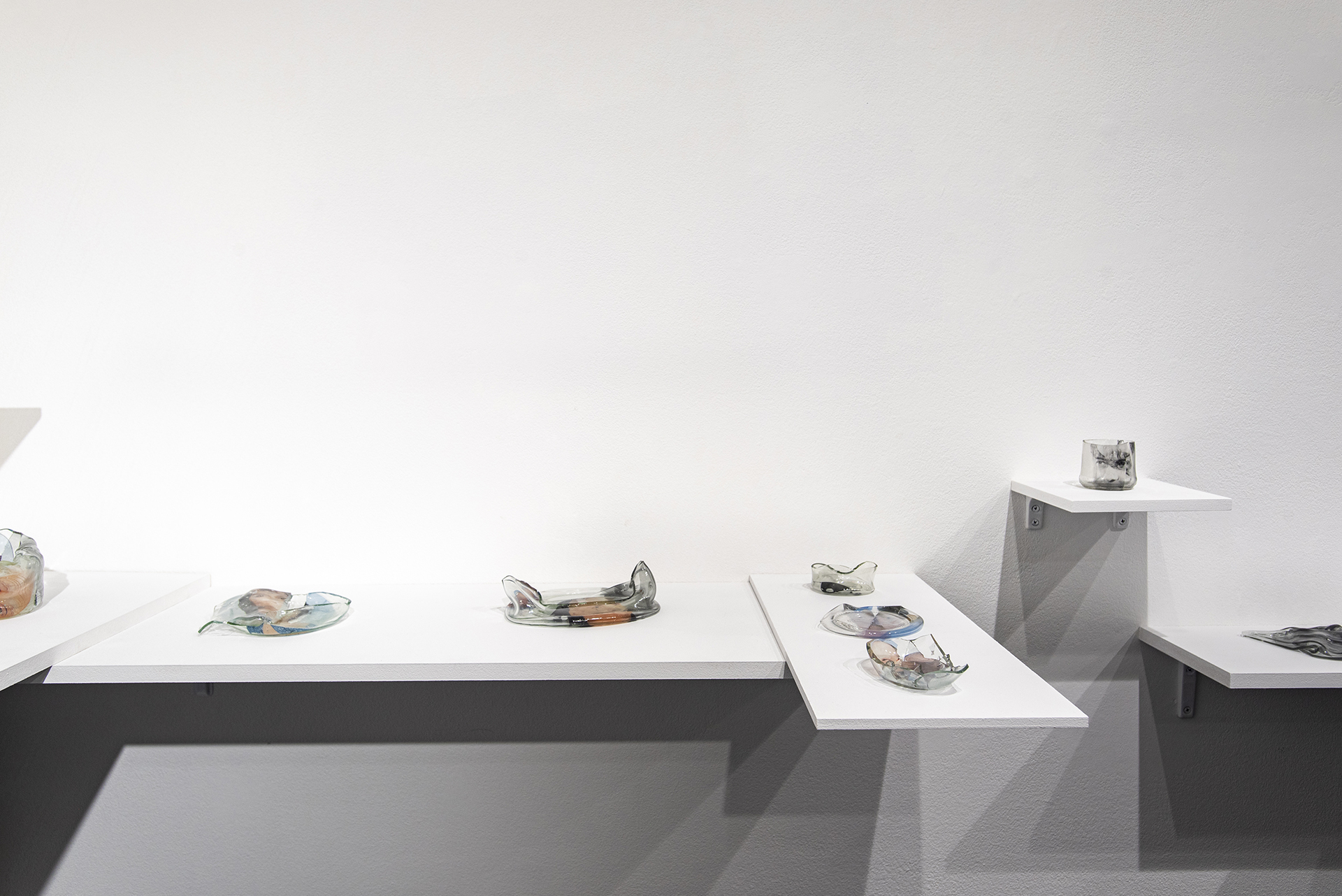
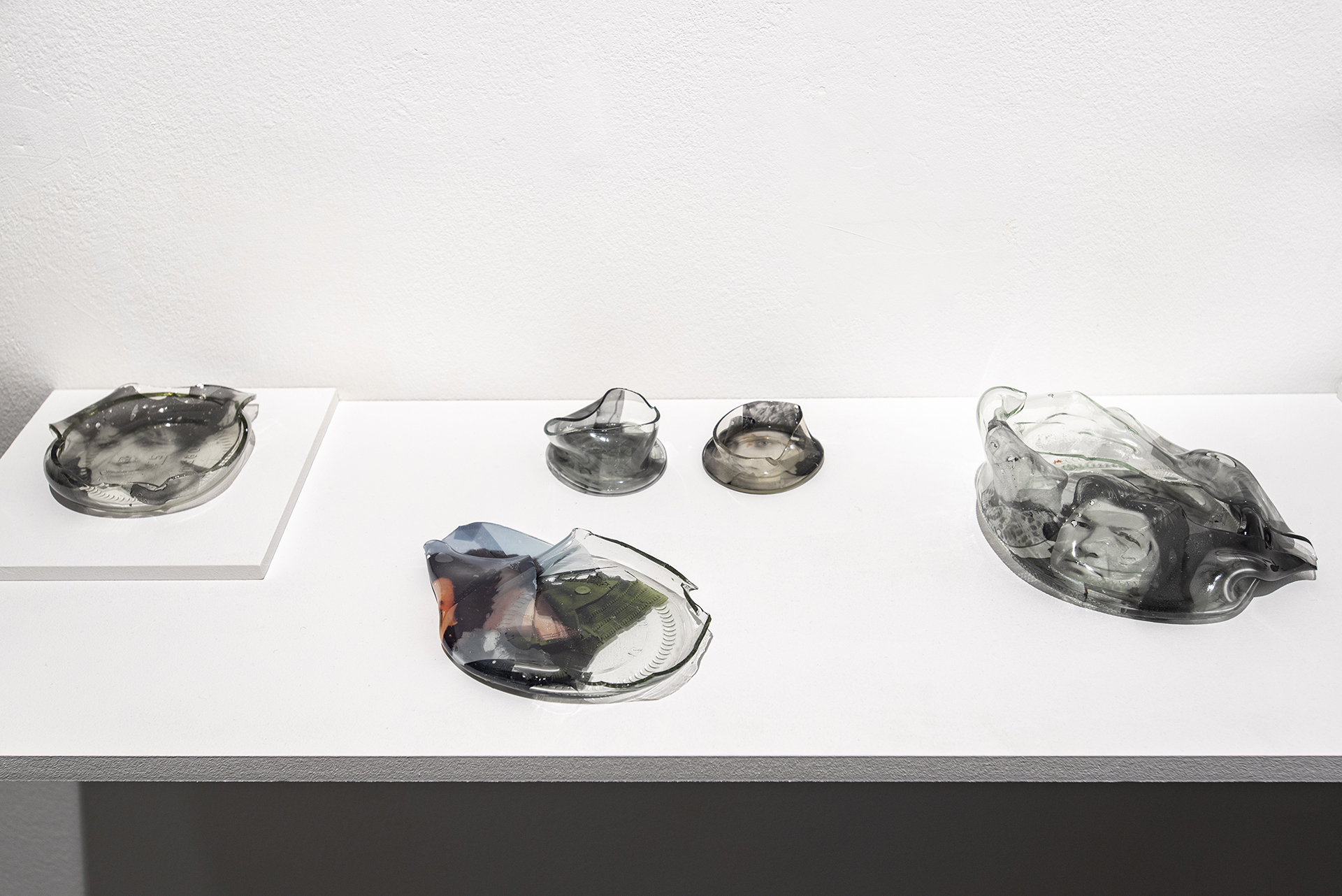
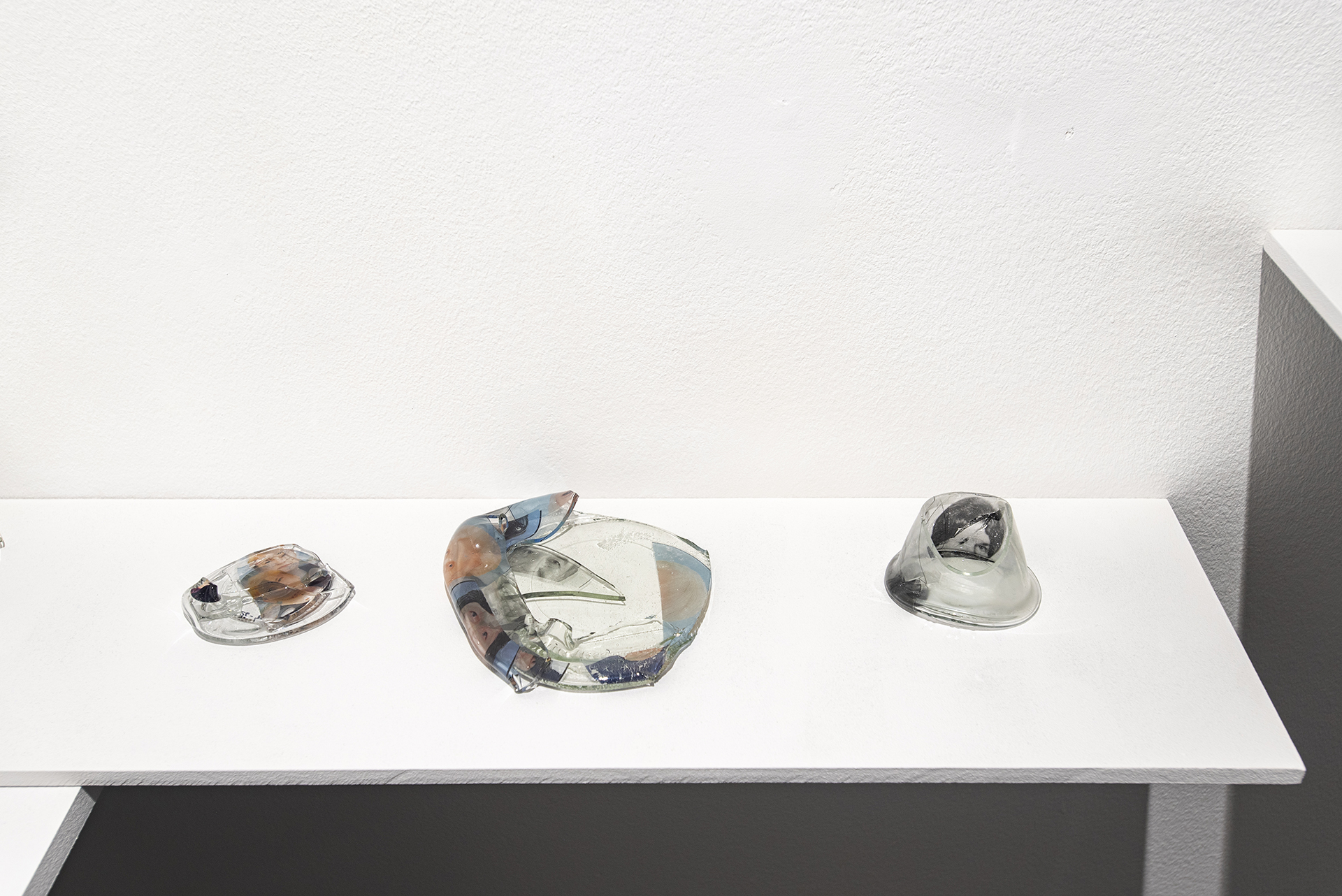
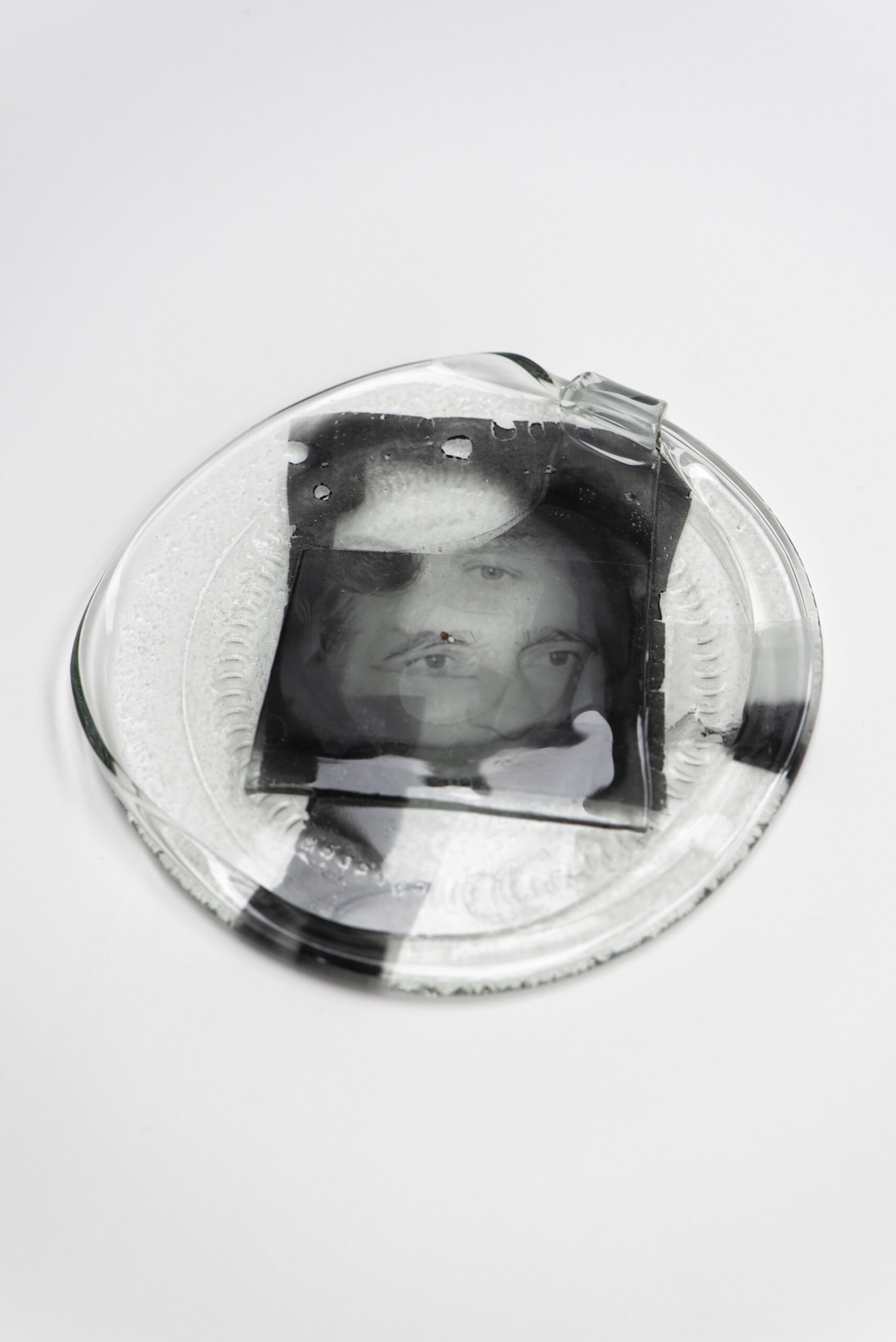
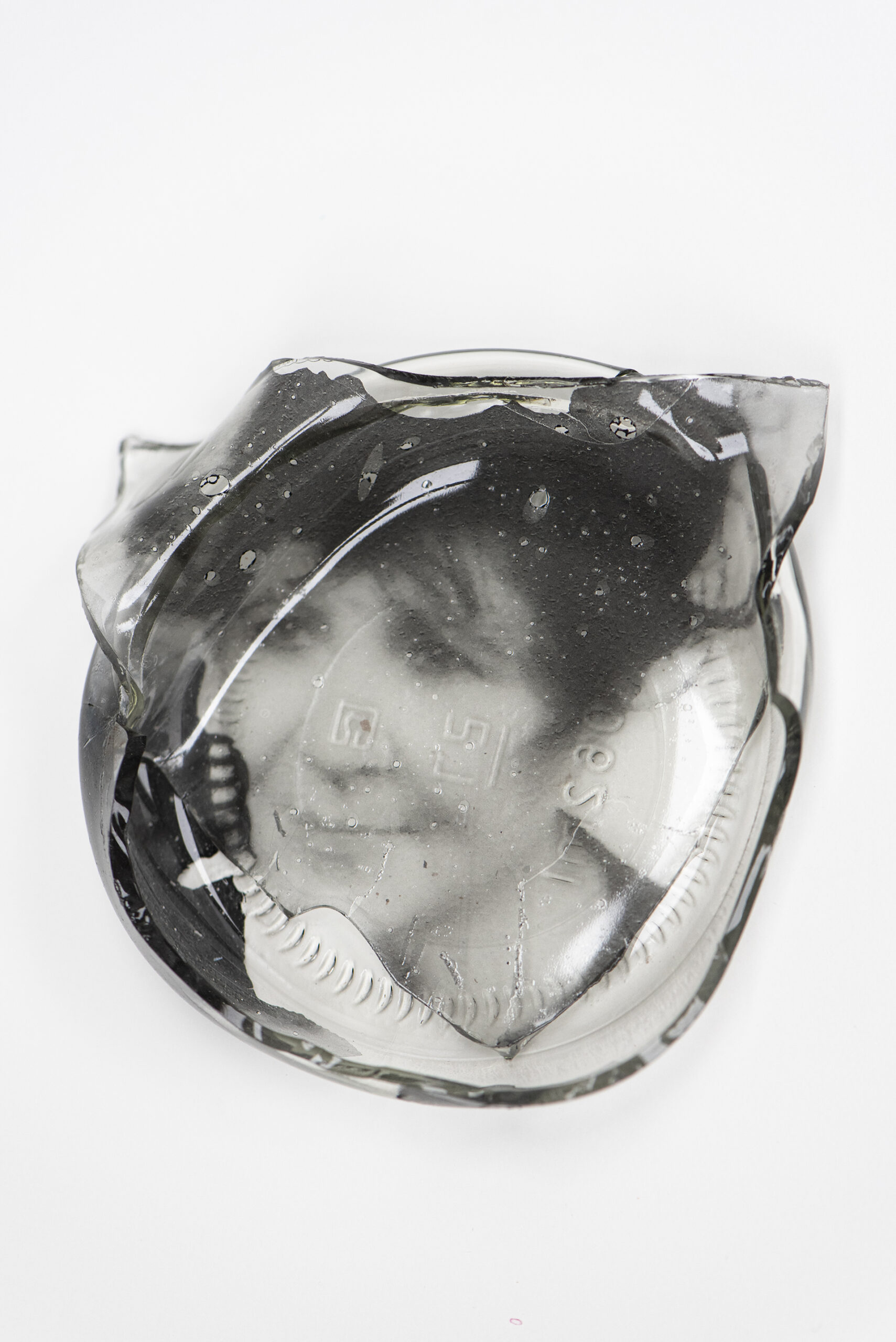
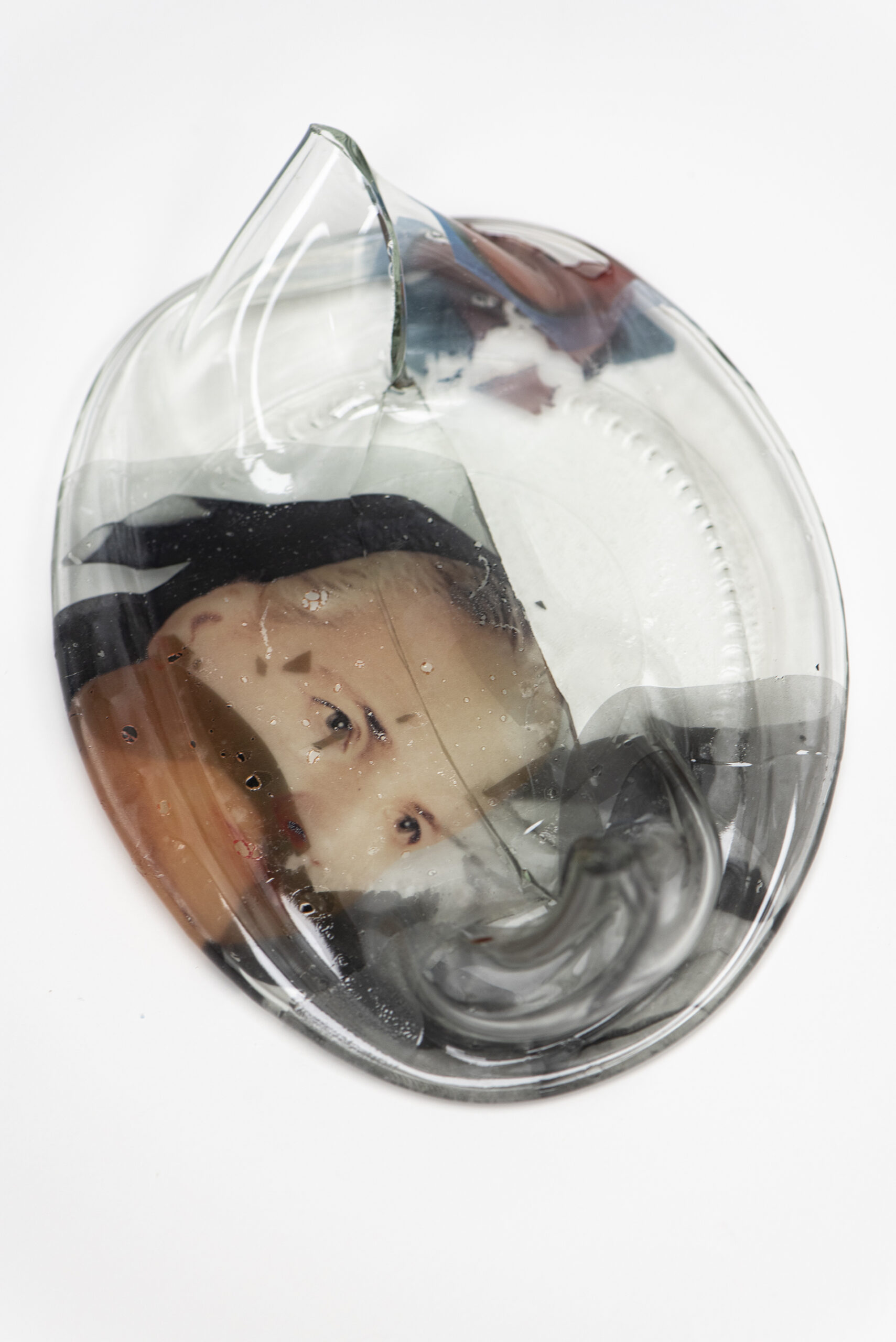
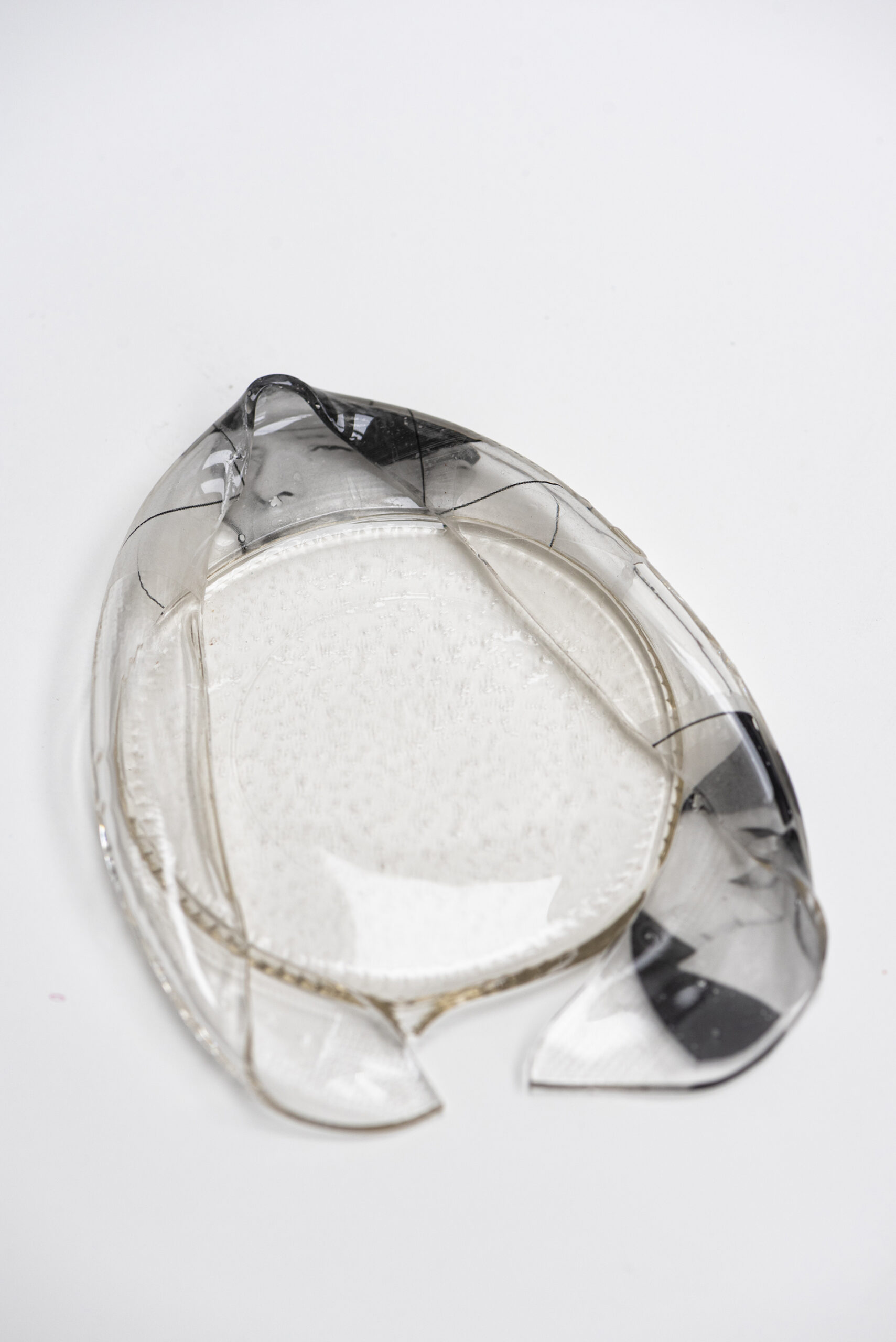
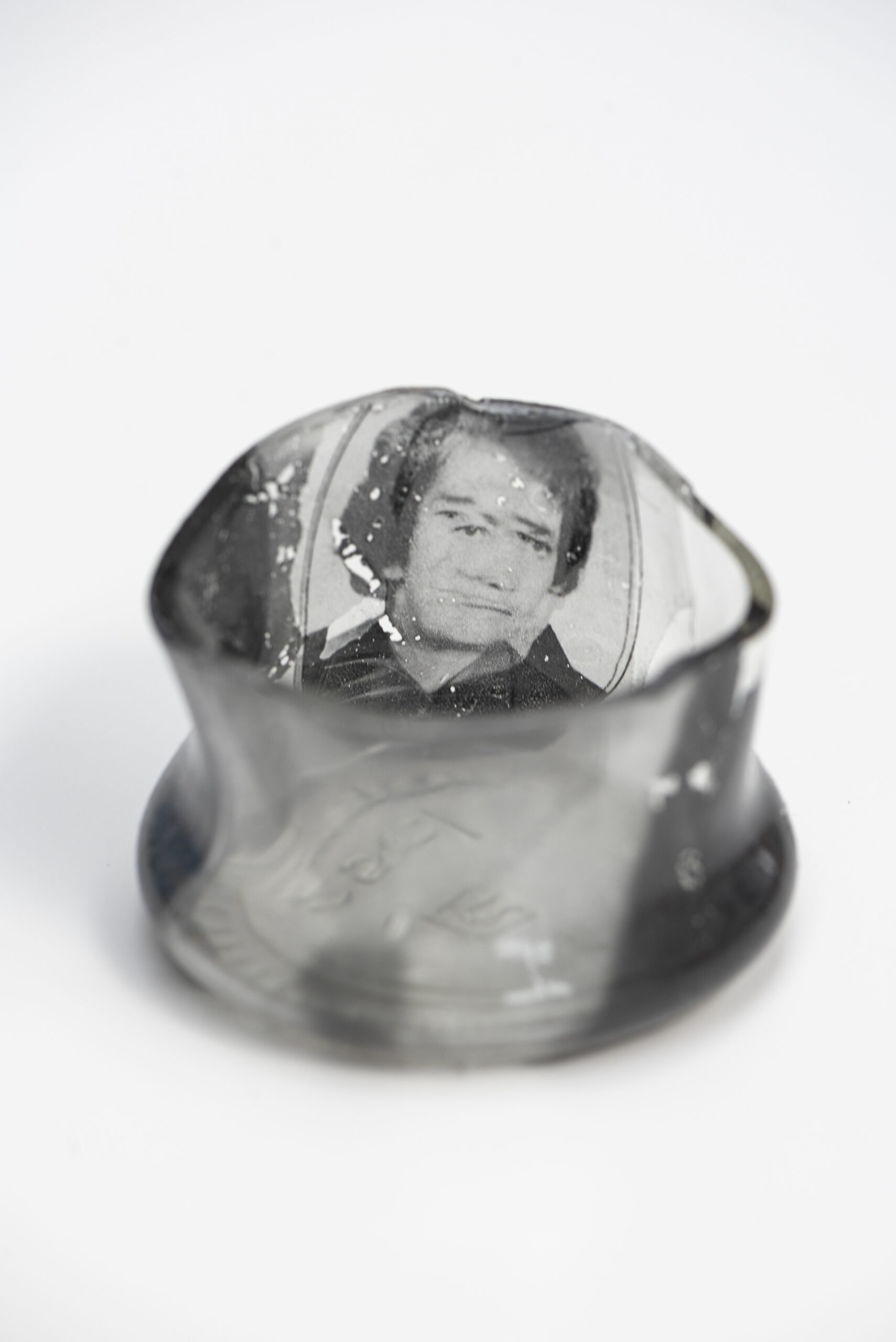
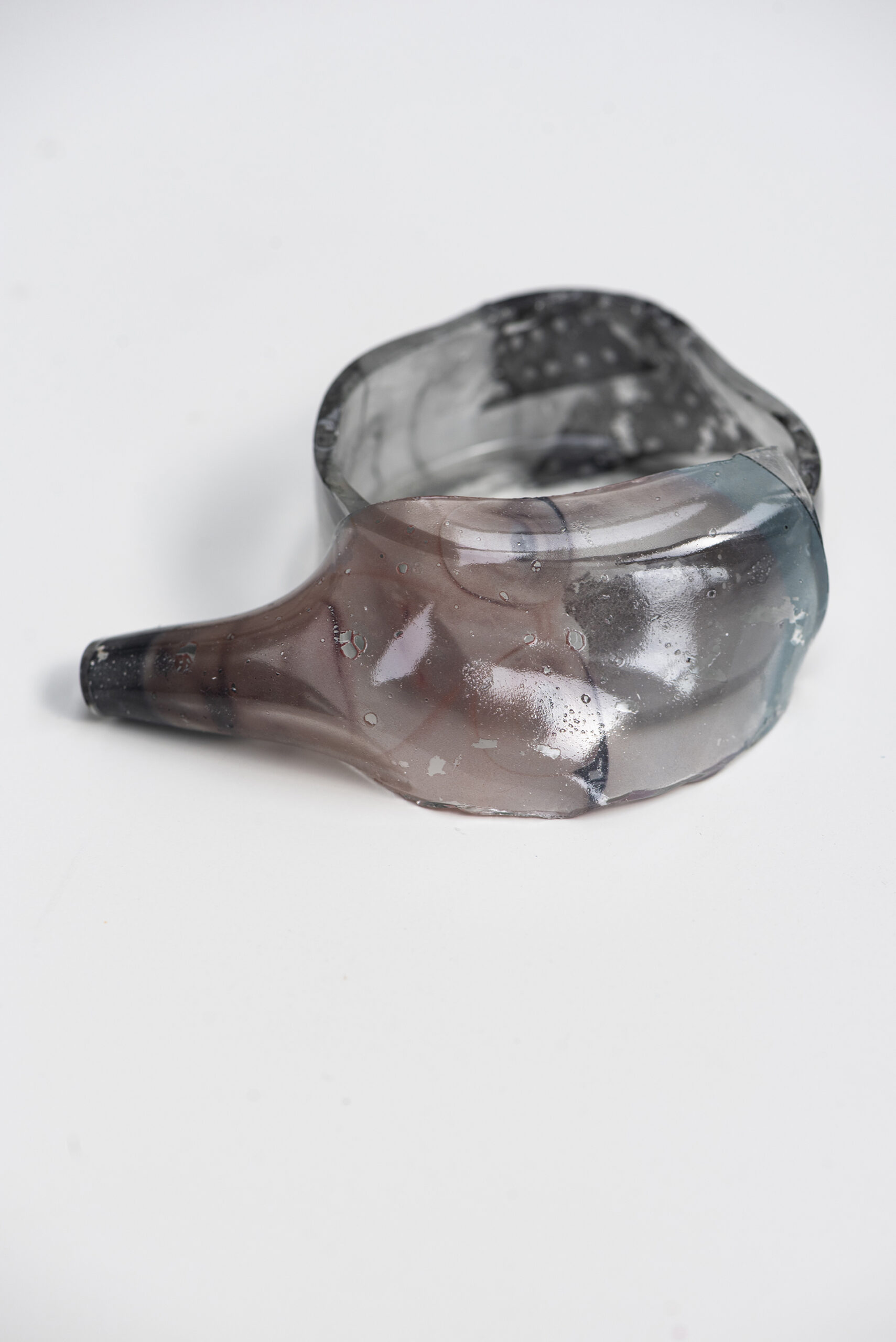
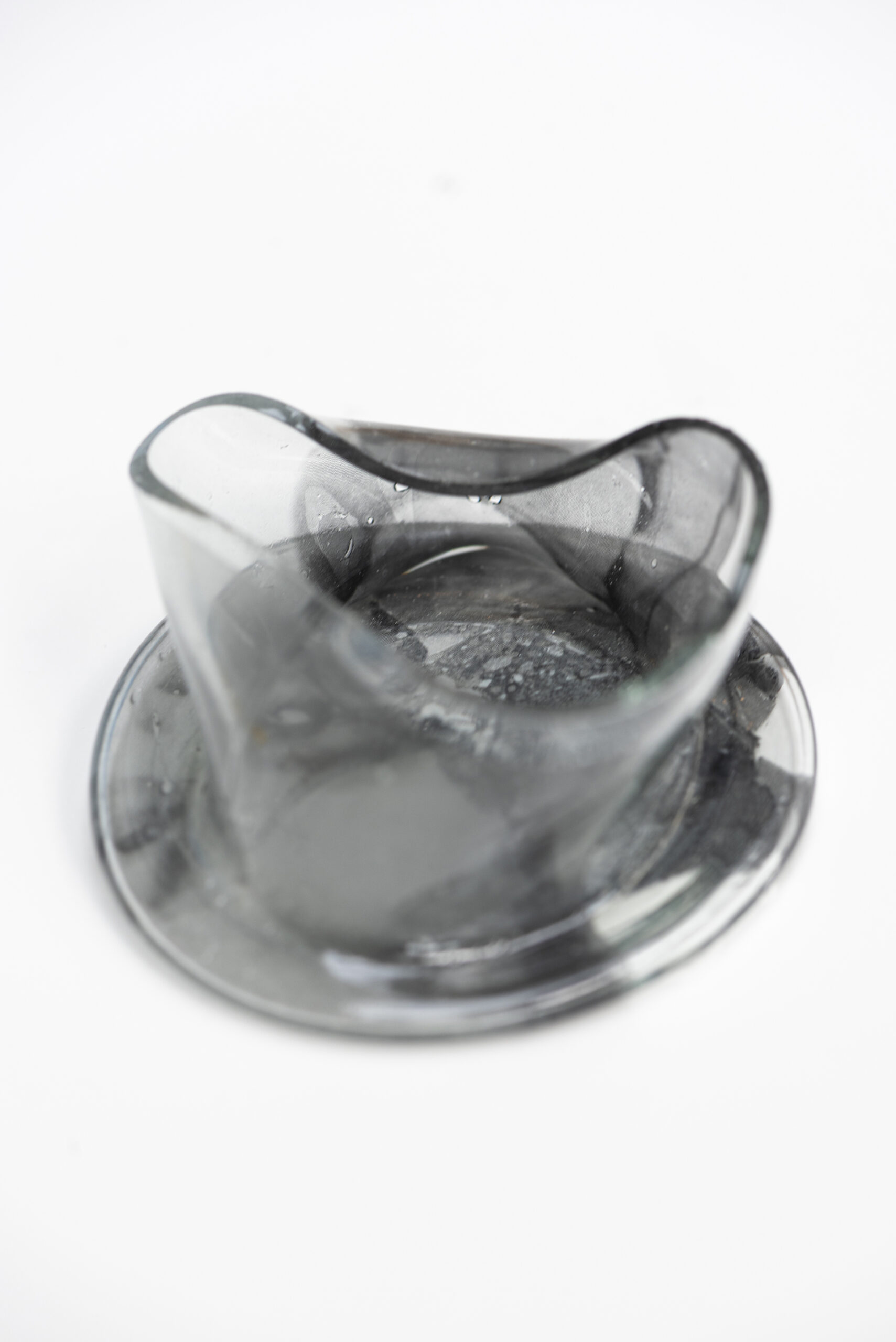
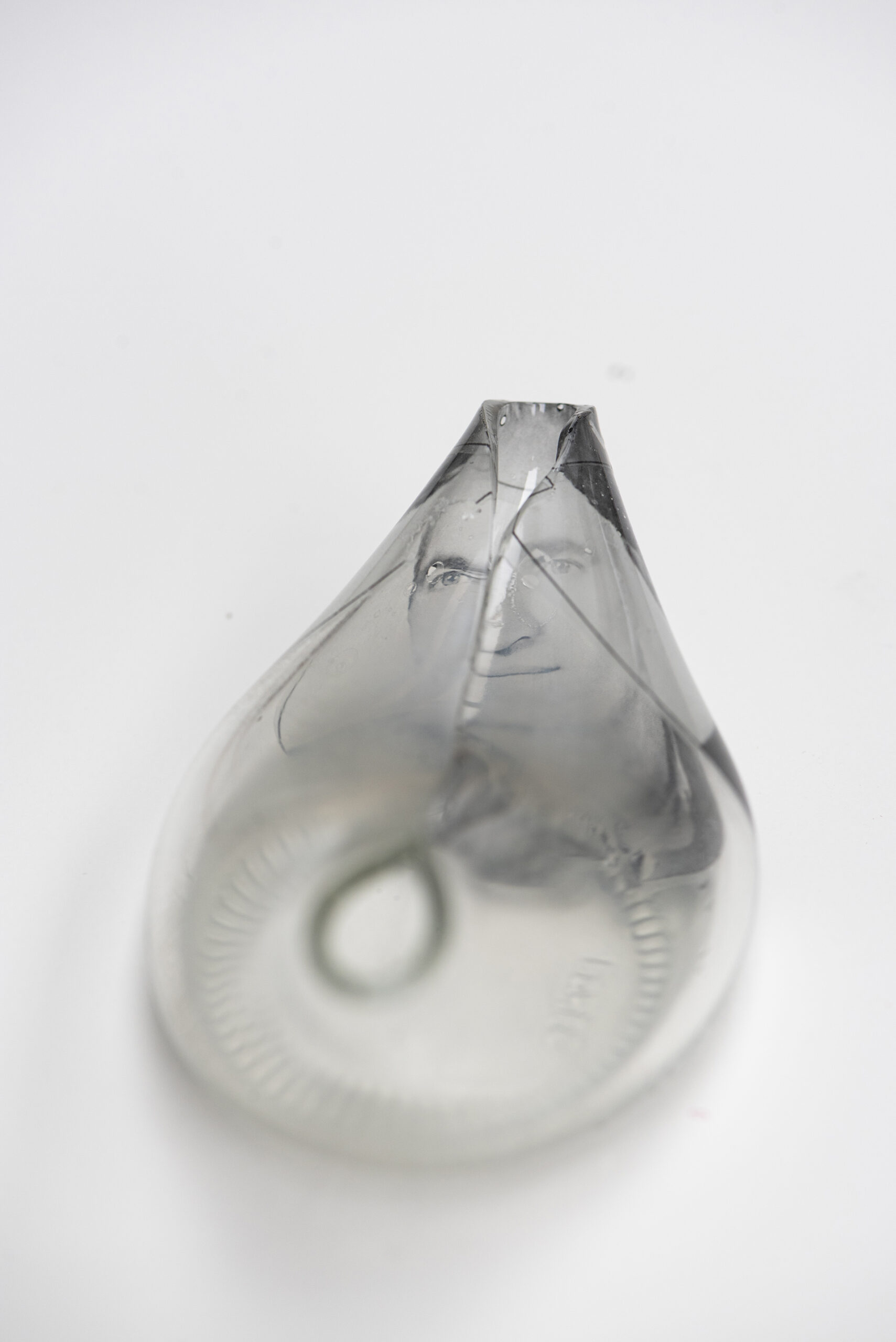
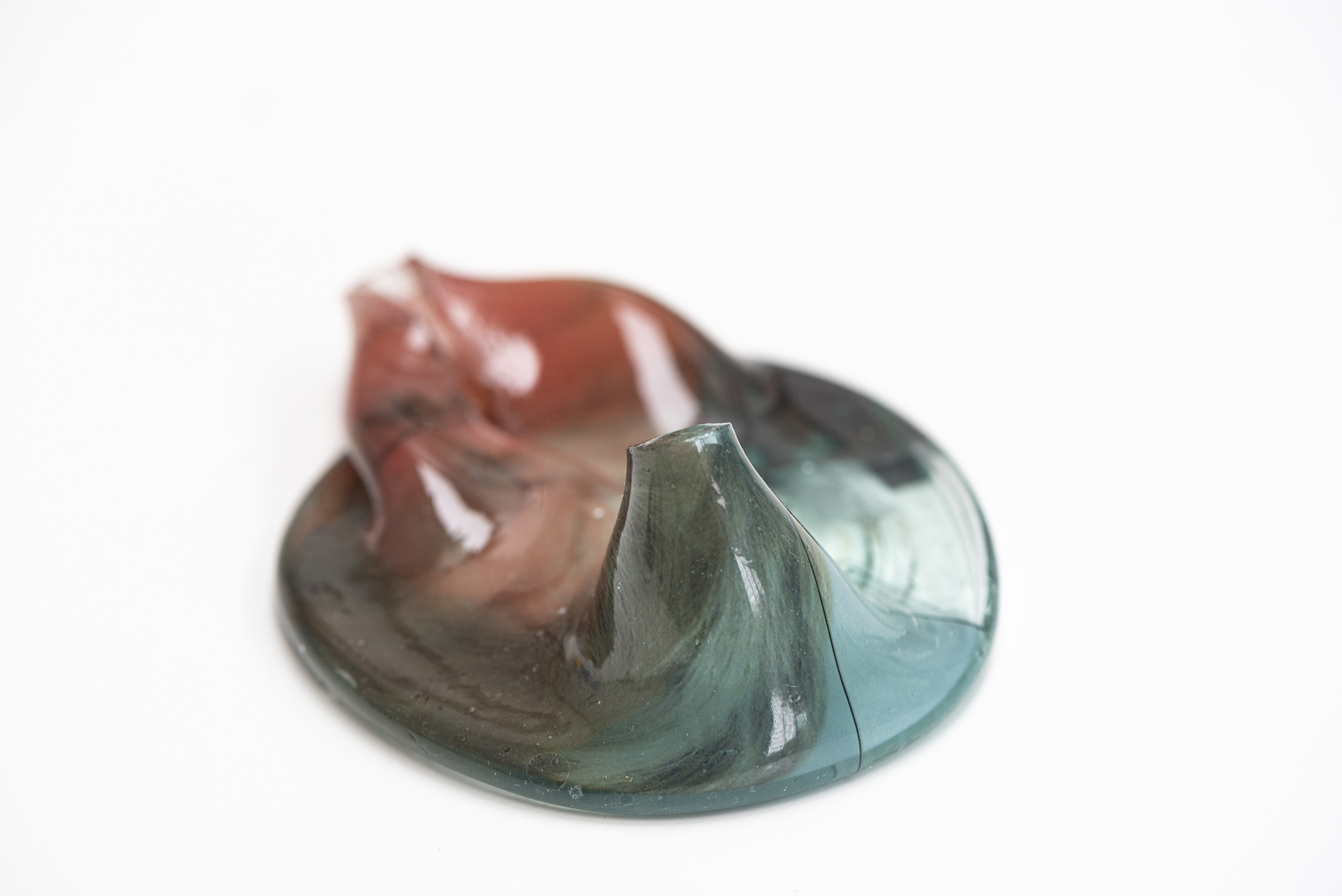
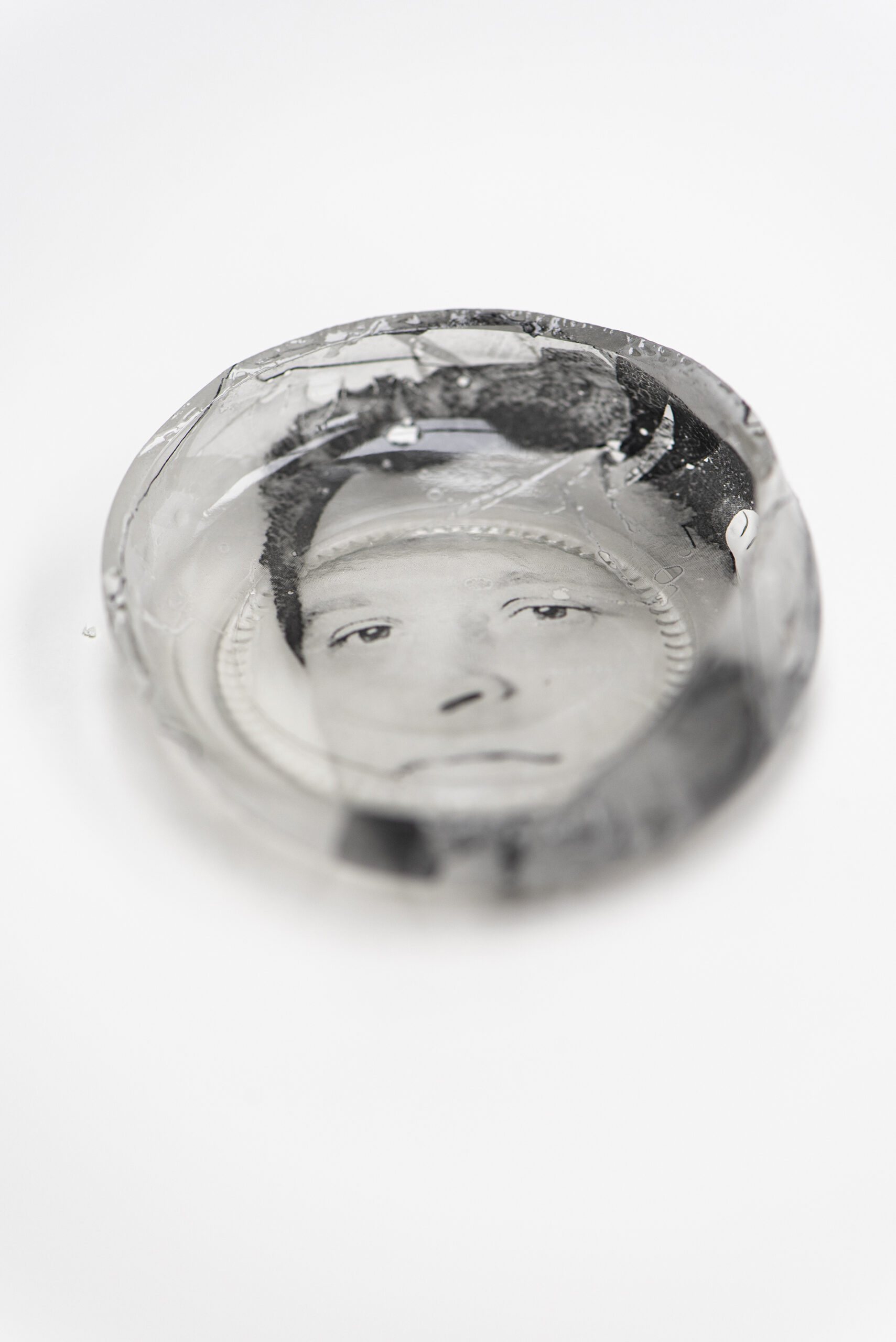
Images originally intended for gravestones, yet rejected during production due to technical imperfections. Deprived of place and purpose, they are neither entirely “useless” nor properly situated, but rather held in an intermediate state, fused into glass vessels—objects traditionally defined by their capacity to contain. Distorted by heat and the surface of the glass, the faces remain visible yet unstable, resisting clarity while maintaining presence. This condition resonates with Thomas Browne’s reflections on memory in Hydriotaphia, Urn Burial, where the persistence of funerary objects stands in contrast to the inevitable loss of identity and meaning. Urns remain, yet the lives they once marked become unreadable; matter endures while memory slips from its intended form. In a similar way, the relationship between vessel and image reflects a broader tension between body and memory. The vessel may be understood as a stand-in for the body—something that gives shape, that contains, and that eventually loses its integrity. The images, intended to outlast the body, find themselves without a stable point of reference. In this reversal, permanence gives way to contingency. Rather than presenting memory as stable or complete, the work places it in a transient, intermediate condition in which forms, functions, and meanings are continually shifting. The glass is neither fully liquid nor fully solid; the images are neither fixed memorials nor entirely absent. Both exist in a prolonged state that resists closure. Even without fulfilling their original purpose, the images continue to carry traces of the individuals they depict. As Browne suggests, no material form can secure remembrance indefinitely; systems of preservation falter, and meaning disperses over time. In this way, the objects function as quiet sites of holding—where dissolution, transformation, and memory converge. They do not restore what has been lost, but give form to that which remains.
oxdide print on glass vessels (variable sizes)